



The long-standing rivalry between the Miami Heat and the Atlanta Hawks has produced some of the most competitive Eastern Conference battles in recent basketball seasons. Every matchup adds another layer to their evolving story, shaped by standout performances, tactical shifts, young talent development, and high-pressure games that determine playoff trajectories. To fully understand this rivalry, it’s essential to look deeply at miami heat vs atlanta hawks match player stats, team dynamics, and performance patterns that define their head-to-head clashes.
This article provides a full, reader-friendly guide to their recent matchups, statistical insights, historical context, roster strengths, and standout individual performances. Whether you follow the rivalry closely or need a comprehensive overview, this detailed analysis brings clarity to how these two franchises measure up on the court.
Understanding the Significance of the Heat–Hawks Rivalry
The rivalry between the Miami Heat and Atlanta Hawks is not defined by geography, but rather by competitive spirit and playoff implications. Their games frequently influence standings, and their rosters often include high-impact guards, physical centers, and emerging wings who become difference-makers. This makes miami heat vs atlanta hawks match player stats especially valuable for understanding how each team adapts to different game situations.
Their matchups often highlight contrasting play styles:
• Miami’s defensive identity, structured ball movement, and efficient shooting
• Atlanta’s dynamic guard play, fast-paced offense, and emphasis on open-floor scoring
These stylistic differences create exciting basketball, where every possession can turn momentum and every quarter reveals strategic adjustments.
Recent Match Performance Overview

Recent games between these two teams have demonstrated the intensity of their rivalry. In their latest high-stakes matchup, both teams displayed strong offensive and defensive sequences, making it an ideal case study for examining miami heat vs atlanta hawks match player stats in a meaningful way.
Miami showcased balanced contributions from starters and bench units, while Atlanta leaned heavily on their primary shot-creators. With both teams exchanging scoring runs, the game became a showcase of execution, coaching, and individual brilliance.
This section explores player performance, scoring consistency, and how these metrics reflect broader team strategies.
Miami Heat Player Performance Breakdown
Miami’s strengths rely heavily on balanced scoring, versatility, and disciplined defensive schemes. Their players often show efficient shot selection, controlled pacing, and strong coordination.
Scoring Efficiency and Shooting Breakdown
Miami typically performs exceptionally well in shooting efficiency, maintaining strong field-goal percentages and consistent three-point production. In recent matchups, Heat players shot with confidence from deep, spreading the floor and forcing Atlanta’s defense to adjust. Their inside scoring often comes from physical drives, fast breaks, and pick-and-roll finishes.
Key Player Roles
Miami’s roster balance means multiple players are capable of leading the team in scoring or playmaking on any given night:
• A versatile guard who handles scoring bursts and late-game shot creation
• A reliable big man anchoring the paint, contributing rebounds and interior defense
• Wings who stretch the floor and contribute to perimeter defense
These roles positively influence miami heat vs atlanta hawks match player stats, often showing Miami with higher assist numbers and more efficient shot distribution.
Defensive Strengths
Miami’s defense remains a core advantage. Their rotations, zone principles, and ability to pressure primary ball handlers frequently disrupt Atlanta’s rhythm. Miami often forces turnovers that convert into transition scoring, impacting the overall statistical flow of the game.
Atlanta Hawks Player Performance Breakdown
Atlanta approaches the game with speed, creativity, and aggressive offensive sets. Their players excel in shot creation, pick-and-roll execution, and open-court scoring.
Outside Scoring and Guard Dominance
The Hawks often rely on guards to generate offense, controlling tempo and orchestrating half-court plays. Their long-range shooting adds pressure to defenses, and when shots fall consistently, they can shift the momentum quickly.
Forward and Center Contributions
Atlanta’s frontcourt provides rebounding, rim protection, and interior scoring. Their young forwards contribute energy and length on defense, while the centers play crucial roles in securing second-chance opportunities.
Defensive Challenges
While the Hawks can be strong offensively, their defense has inconsistent stretches. Opponents often exploit gaps in rotations or take advantage of mismatches from switches. These defensive lapses appear clearly in miami heat vs atlanta hawks match player stats, where Miami’s shooting efficiency stands out.
Detailed Breakdown of the Latest Head-to-Head Match

A recent high-intensity game between the Heat and Hawks offered rich statistical insight. Several key moments stood out:
• Miami’s starters delivered steady scoring across all quarters
• Atlanta’s guards kept the game close with three-point momentum swings
• Bench units played a major role in pacing and energy shifts
• Overtime scenarios highlighted the importance of clutch defense and efficient shot selection
This matchup demonstrated how balanced contributions often favor Miami, while Atlanta’s success depends more heavily on individual offensive surges.
The miami heat vs atlanta hawks match player stats from this game show a clear contrast in depth, shooting efficiency, and defensive consistency. Miami’s ability to stay composed under pressure frequently contributes to their success in decisive moments.
Head-to-Head Trends and Rivalry Evolution
Across recent seasons, the Heat have maintained a statistical edge in field goal percentage, defensive metrics, and assist ratios. The Hawks, meanwhile, excel in possessions per game, pace, and perimeter scoring during hot stretches.
Scoring Trends
Miami often posts more consistent scoring outputs across quarters, while Atlanta’s scoring tends to fluctuate depending on shooting streaks. This pattern influences overall match momentum and can be seen repeatedly in season matchups.
Impact of Star Performers
Star power continues to shape the rivalry:
• Miami benefits from disciplined players who elevate performance in crucial moments
• Atlanta relies on dynamic guards capable of high-scoring bursts
When evaluating miami heat vs atlanta hawks match player stats, it becomes clear that Miami’s stability often gives them the upper hand during tight contest finishes.
Tactical Adjustments and Coaching Influence
Coaching strategy plays a massive role in Heat–Hawks matchups. Miami’s coaching staff typically emphasizes defensive pressure, controlled offense, and adaptability. Atlanta focuses more on pace, shot creation, and maximizing offensive spacing.
Miami’s Game Plan
• Switching defenses
• Strong help rotations
• Half-court execution and deliberate pacing
• Utilizing depth to maintain energy
Atlanta’s Game Plan
• High pick-and-roll frequency
• Fast transitions and early shot attempts
• Spreading the floor for shooters
• Leveraging individual creativity
These tactical differences reveal how miami heat vs atlanta hawks match player stats reflect coaching philosophies as much as player performance.
How Player Stats Reflect Rivalry Intensity
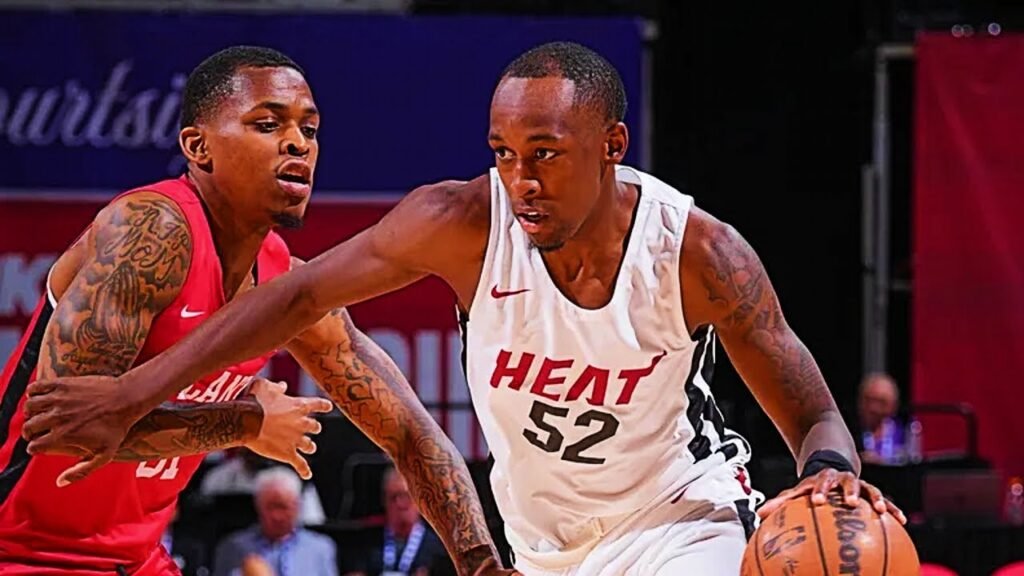
High-pressure games produce standout statistical performances. Both teams often show elevated levels of effort, energy, and resilience during rivalry contests.
Clutch Situations
Miami usually thrives in final-minute scenarios due to structured execution and disciplined defense. Atlanta’s clutch success depends on guard shot-making and spacing consistency.
Physicality and Tempo
The Heat lean toward a controlled, physical game, while the Hawks prefer open-court pace. This contrast makes every meeting unpredictable and exciting.
Future Outlook of the Heat–Hawks Rivalry
As new players develop and roster adjustments take place each season, the rivalry continues evolving. Young prospects, trade acquisitions, and coaching adaptations will influence future miami heat vs atlanta hawks match player stats and matchup outcomes.
Both franchises have strong potential moving forward:
• Miami maintains a culture of discipline and winning habits
• Atlanta is building around promising talent with high offensive ceilings
This ensures that future meetings will remain competitive and statistically rich for fans and analysts alike.
Final Thoughts
The rivalry between the Miami Heat and Atlanta Hawks is a compelling journey of contrasting identities, evolving strategies, and standout performances. By examining miami heat vs atlanta hawks match player stats across recent and historical games, we gain a deeper appreciation for how each team operates, adapts, and competes under pressure.
Miami often shines through balance, discipline, and defensive consistency. Atlanta brings creativity, pace, and bold shot-making to every clash. These dynamics ensure that future games will continue adding new chapters to one of the East’s most intriguing rivalries.
FAQs
1. What makes miami heat vs atlanta hawks match player stats important for analysis?
They highlight player efficiency, team strategies, scoring patterns, and help illustrate how each team adapts during high-pressure situations.
2. Which team typically performs better statistically?
Miami often shows more balanced scoring and stronger defensive numbers, though Atlanta excels in pace and perimeter shot creation.
3. How do player roles impact rivalry outcomes?
Miami relies on depth and team structure, while Atlanta leans on guard play and offensive bursts, influencing statistical contrasts.
4. Do coaching strategies affect match player stats significantly?
Yes, coaching systems shape offensive flow, defensive pressure, and adjustments that directly affect numerical performance.
5. How will future matchups shape this rivalry?
With new talent emerging and both teams adjusting their rosters, future games will continue adding fresh statistical and competitive layers.