


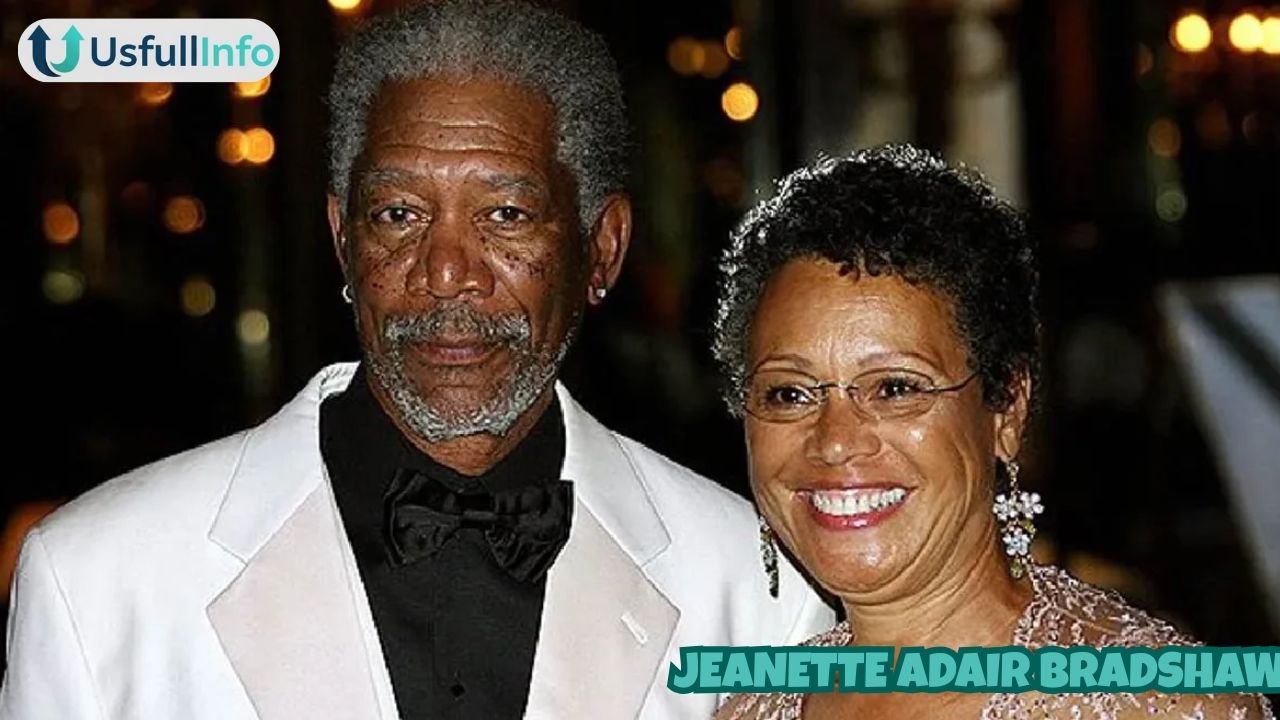
When a public figure rises into the spotlight, the people closest to them often remain in the margins — steady, private, and essential. This article explores the life of Jeanette Adair Bradshaw with the care and curiosity a human reader deserves. Here we reconstruct the known facts, acknowledge the gaps, and reflect on the larger themes her life suggests about privacy, partnership, and identity after fame. The goal is not sensationalism but to present a thoughtful, informative portrait that honors both the public curiosity and the private choices of the person at its center.
Who Is Jeanette Adair Bradshaw? A Concise Introduction
Jeanette Adair Bradshaw is best known in public records as the first wife of a prominent actor. That singular fact has led many to describe her primarily in relation to her ex-spouse, but a closer look reveals a person who made deliberate choices about family, privacy, and life beyond public scrutiny. Born roughly around the early 1940s, Jeanette Adair Bradshaw lived through an era of major social change, and during an important chapter of her life she played a central role in her household and in raising children who would grow into their own lives. Although verified details about her early life and career remain scarce, what is available suggests someone who valued privacy and family above fame.
Early Life and Background — What We Know and What Remains Private

Specific, verifiable details about Jeanette Adair Bradshaw’s upbringing, education, and early career are limited in the public domain. This absence of detail is notable and meaningful: it points to a life lived largely outside the press and suggests a conscious decision to remain private. Available records indicate she was born around the 1940s and that by the late 1960s she was married and starting a family. Rather than speculate about specifics that are not supported by reliable information, we’ll focus on the verified aspects of her life and on why those small set of facts matter.
Marriage and Family Life — Building a Home Away from the Cameras
One of the best-documented chapters in Jeanette Adair Bradshaw’s life is her marriage and the family she raised. Married in the late 1960s, she spent the formative years of her adult life building a household and raising children. During that period, she became a mother to Morgana Freeman, born in 1971, and she helped parent Deena, a daughter she had before the marriage. Family sources and public records note that the household emphasized normalcy and steadiness — qualities that can easily be overshadowed in celebrity narratives but which are crucial to understanding the texture of daily life for any family.
Being the partner of someone on the cusp of a major acting career is complicated: there is pride and possibility, but also unpredictability and public interest. Jeanette Adair Bradshaw’s role during these years seems to have been the stabilizing presence — the person who kept the household anchored while those around them navigated auditions, early roles, and the slow, uncertain climb toward recognition.
Divorce and the Choice of Privacy — A Deliberate Step Back
After more than a decade together, Jeanette Adair Bradshaw and her husband divorced in 1979. Divorce often marks a turning point in public narratives: for some, it leads to renewed public attention; for others, it becomes the moment they retreat from the limelight. Jeanette chose the latter. Following the end of the marriage, she moved toward a life away from media scrutiny and public commentary.
This choice to prioritize privacy resonates strongly in an era when the inner lives of public figures are routinely documented and dissected. The decision to step back can be interpreted as an act of autonomy — a refusal to let personal history become permanent public entertainment. For readers interested in the ethical boundaries of public curiosity, Jeanette’s life offers a quiet but important case study: privacy can be a deeply held value, not merely a lack of access.
The Role of the “Silent Partner” — How Private Support Shapes Public Success
It’s tempting to underestimate the contributions of people who remain outside the spotlight, but doing so misses the texture of how careers — especially demanding public careers — actually develop. Jeanette Adair Bradshaw is an example of a “silent partner” whose influence is more structural than performative. When someone close to a public figure supplies emotional stability, continuity for children, and a home base, it creates the conditions necessary for that person to take professional risks.
This support doesn’t always translate into public credit, and sometimes it never will. Yet it is no less real. By recognizing the contributions of people like Jeanette, we expand our understanding of how success is built — as a collective, relational process rather than an individual achievement.
Raising Children in the Shadow of Fame — Family, Values, and Normalcy
Jeanette Adair Bradshaw helped raise two daughters in a time when their father’s career was gaining traction. Parenting under those conditions brings unique challenges: media attention can intrude unpredictably, and children sometimes have to reconcile their private identities with public interest. The accounts that exist suggest that Jeanette focused on grounding her children in everyday routines rather than spectacle.
The priority placed on normalcy and security likely shaped her daughters’ experiences and their ability to navigate the complexities of having a famous parent. The approach reflects a broader parenting philosophy that many readers will find relatable: that children need constancy, boundaries, and a sense of home more than exposure or notoriety.
What the Public Record Leaves Out — Respecting Boundaries and Gaps
A responsible biography must acknowledge what is unknown. For Jeanette Adair Bradshaw, large portions of her life are simply not public record. Details about her education, employment history, personal interests, and later years are either private or unreported. Rather than fill those gaps with conjecture, it’s important to recognize the limits of public knowledge and the ethical implications of further probing.
Not every question deserves an answer in the court of public opinion. When sources are thin, writers and readers alike should consider whether speculation serves the truth or merely satisfies curiosity at the expense of a person’s dignity. In Jeanette’s case, the scant public information may well be the result of a purposeful life choice — one that deserves respect.
The Cultural Value of Privacy — Lessons from a Life Lived Quietly
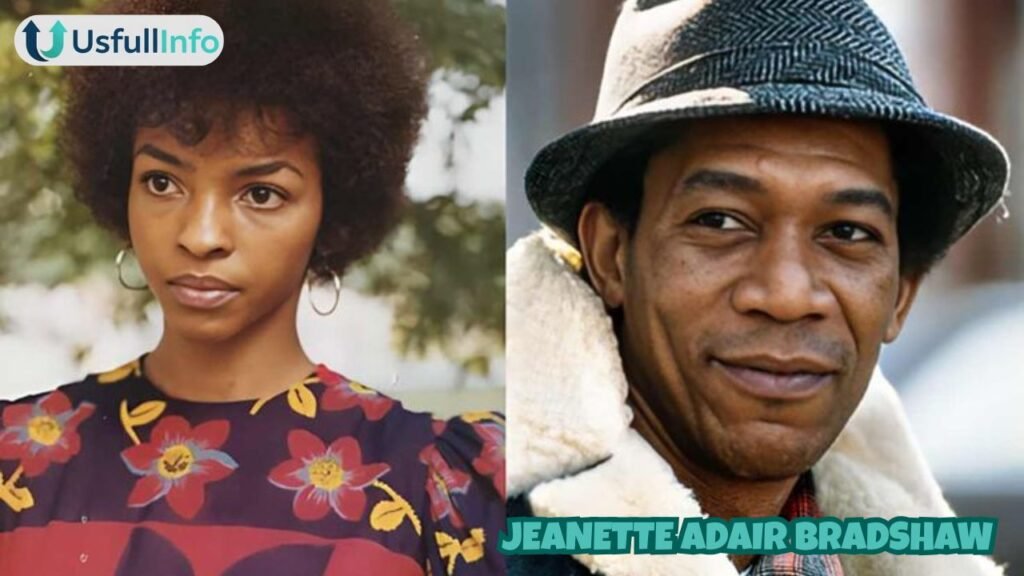
Jeanette Adair Bradshaw’s post-divorce privacy offers a timely lesson in an age of relentless information flow. Privacy is not merely the absence of data; it’s a space where identity can be maintained without constant external validation or scrutiny. For individuals who have been adjacent to fame, choosing privacy can be a corrective — a way to reclaim agency and define life on one’s own terms.
This perspective is particularly relevant to journalists, bloggers, and content creators. An ethical approach to biography balances the public’s interest with the subject’s right to a private life. In practice, that means focusing on confirmed facts, contextual interpretation, and respect for boundaries — all of which are central to a humane and credible storytelling ethic.
The Human Side of Public Narratives — Empathy Over Sensationalism
Readers who seek out stories about people connected to public figures often want the human detail: what makes the person laugh, how they responded to the stresses of family life, what they cared about. For Jeanette Adair Bradshaw, the record supplies only fragments of those intimate textures. Still, the available information points to universal human experiences: partnership, parenting, decision-making, and the search for dignity.
Approaching her life with empathy rather than sensationalism produces a richer portrait. It shifts emphasis away from trivia and toward the everyday human concerns we all share. Whether the subject is famous or not, a narrative grounded in empathy is more likely to yield insights that matter beyond the immediate curiosity of celebrity.
Writing Responsibly About People Who Choose Privacy — Guidelines for Bloggers
When covering subjects like Jeanette Adair Bradshaw, content creators should follow a few clear guidelines:
- Prioritize verified information. Present only what can be reliably sourced or confirmed.
- Respect private boundaries. Avoid probing for salacious details that serve no informative purpose.
- Contextualize rather than sensationalize. Use the available facts to explore broader themes—family, privacy, identity—rather than focusing on gossip.
- Center the human experience. Emphasize the lived realities—parenting, partnership, choices—rather than reputation metrics or speculative claims.
- Name gaps clearly. Honest writing acknowledges what is unknown and resists filling those spaces with rumor.
These principles produce work that is both ethical and valuable to readers.
How Jeanette Adair Bradshaw’s Story Resonates Today — Themes for Modern Readers
Why should readers in the present care about Jeanette Adair Bradshaw? Because her story intersects with enduring questions about how we live in relation to public life:
- What does it mean to be known for your relationship rather than your own accomplishments?
- How do families navigate the pressures that come with a member’s public success?
- What does privacy look like when media and social platforms make exposure the default?
- How can we ethically tell stories about people who have chosen to step away?
Exploring these questions through the available facts about Jeanette’s life offers a useful lens on contemporary concerns about autonomy, identity, and the politics of fame.
Practical Tips for Writing Your Blog Article About Jeanette Adair Bradshaw
If you plan to build a blog post or feature inspired by Jeanette Adair Bradshaw, consider this structure to keep the piece informative and respectful:
- Start with a clear, human-focused lede that states who she is and why her story matters.
- Use H2 headings that reflect each section’s intent (biography, family, privacy, lessons).
- Avoid speculative details. When mentioning uncertain facts, label them as such.
- Weave in thematic analysis—privacy, partnership, parenting—so the article does more than list facts.
- Close with reflective takeaways that connect her story to readers’ lives.
This structure supports SEO goals while maintaining a thoughtful, reader-friendly tone.
Reflections: What We Learn from a Life Lived Quietly
Jeanette Adair Bradshaw’s life reminds us that not every story is meant for the marketplace of attention. The small, consistent acts of caregiving and steadiness form the backbone of many public successes, even if they remain uncredited. Her choice to preserve a private life after public attachment reframes our relationship to celebrity: it’s possible to care deeply about someone without needing to be known for that care.
For readers and writers alike, this is a subtle but powerful insight. In a media environment that rewards exposure, Jeanette’s example offers an alternative: that dignity and contentment can be pursued on one’s own terms, and that sometimes the most meaningful lives are the least documented.
Conclusion: Remembering the Person, Not the Label
To write about Jeanette Adair Bradshaw is to confront the tension between curiosity and respect. The facts we do have tell a story of partnership, family, and a deliberate turn toward privacy. That narrative has value precisely because it highlights what we often overlook: the ordinary, stabilizing forces behind extraordinary public life. When we honor those forces without reducing people to mere appendages of fame, we practice a more humane and honest kind of storytelling.
Frequently Asked Questions
1. Who is Jeanette Adair Bradshaw?
Jeanette Adair Bradshaw is known publicly as the first wife of a notable actor. She was a mother and homemaker during a formative period and later chose to live a private life away from media attention.
2. What role did Jeanette Adair Bradshaw play in her family?
She was a steadying presence in her household, raising two daughters and creating a sense of normalcy and home life during years when public attention on the family was increasing.
3. Why is there so little public information about Jeanette Adair Bradshaw?
Much of the scarcity of information appears to be the result of her deliberate choice to maintain privacy. She stepped away from public visibility after her divorce, and few verified records detail her life beyond that point.
4. What can writers learn from Jeanette Adair Bradshaw’s example?
Writers can learn the importance of ethical storytelling: prioritize verified facts, respect privacy, avoid sensationalism, and use the available information to explore wider themes like family, identity, and the value of privacy.
5. How can a blogger structure an article about Jeanette Adair Bradshaw responsibly?
A responsible structure begins with a human-focused lede, uses clear headings for biography, family, and reflections on privacy, labels uncertain details as unverified, and closes with takeaways that connect the subject’s life to broader human concerns.