


Introduction
Žižole, commonly known as jujube fruits or scientifically referred to as Ziziphus jujuba, are small, date-like fruits that have been cherished for thousands of years across Asia and the Middle East. These remarkable fruits, which grow on the žižole tree, have played a significant role in both culinary traditions and healing practices for centuries. While they’ve been a staple in many cultures, žižole are now experiencing a surge in popularity worldwide as food lovers discover their unique flavors and impressive health benefits.
Originating primarily in China over 4,000 years ago, žižole have since spread throughout various regions, becoming deeply embedded in the cultural fabric of many societies. Today, these versatile fruits are gaining recognition not just as traditional dishes components, but as healthy snacks that fit perfectly into modern kitchens and contemporary lifestyles.
Botanical Background
Scientific Classification and Plant Characteristics
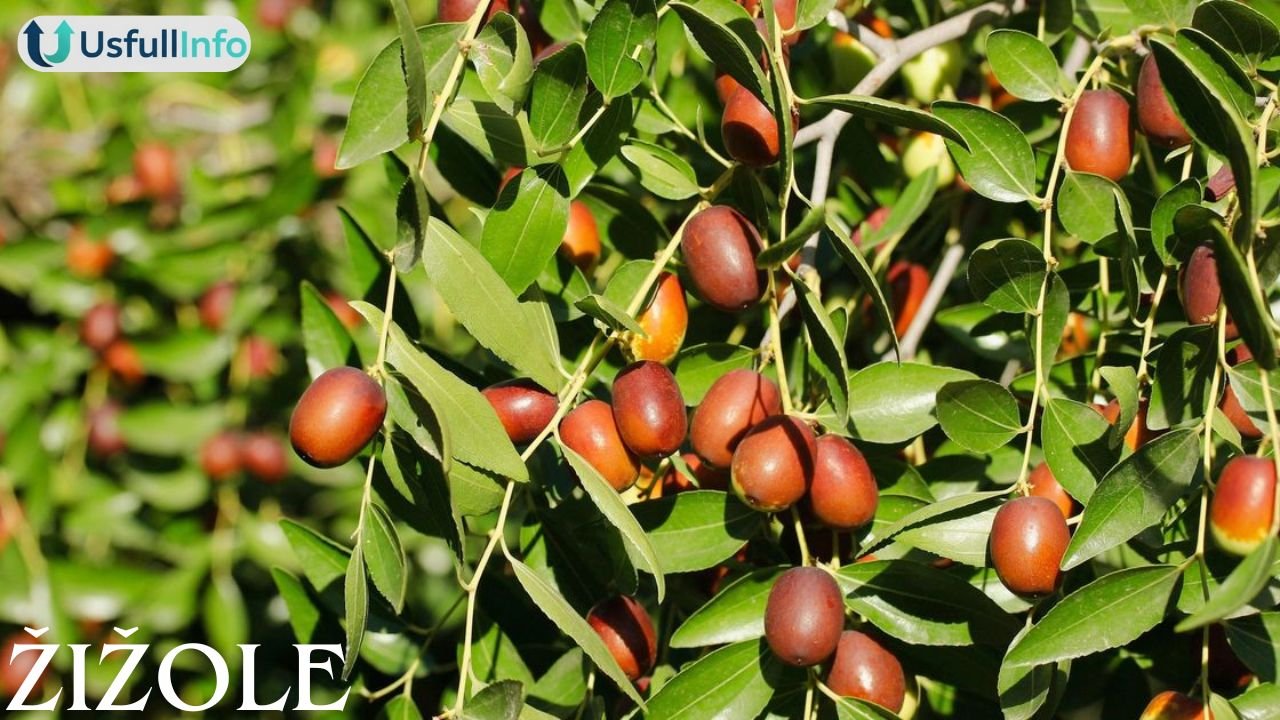
The žižole tree belongs to the Rhamnaceae family and is scientifically classified as Ziziphus jujuba. These deciduous trees are remarkably hardy, capable of withstanding diverse environmental conditions that would challenge many other fruit-bearing plants. The trees typically reach heights of 15 to 40 feet, featuring thorny branches and small, glossy green leaves that create a dense canopy.
Where Jujube Trees Grow
Žižole trees thrive in warm temperate and subtropical climates, demonstrating impressive adaptability to various soil types. They prefer well-drained soil and full sun exposure, tolerating both drought conditions and poor soil quality better than most fruit trees. These characteristics have allowed the species to flourish across Asia, the Middle East, and increasingly in parts of the Mediterranean, Australia, and even the southern United States.
Physical Description of the Fruit
Fresh žižole typically appear as small, oval or round fruits, ranging from the size of a cherry to that of a small plum. When young, they display a glossy green exterior that gradually transforms into a reddish-brown or deep mahogany hue as they ripen. The texture of fresh žižole is crisp and apple-like, offering a mildly sweet flavor with subtle tartness. Once dried, these fruits take on a wrinkled, date-like appearance, and their sweet flavor becomes more concentrated.
Varieties and Cultivars
Numerous varieties of žižole exist, each offering slightly different characteristics in terms of size, sweetness, and texture. Some popular cultivars include ‘Li’, known for its large, pear-shaped fruits, and ‘Lang’, which produces round, exceptionally sweet fruits. The diversity among varieties ensures there’s a type of žižole to suit every preference.
Nutritional Profile
Vitamins and Minerals Content
Žižole pack an impressive nutritional punch despite their small size. They’re particularly rich in vitamin C, providing a significant portion of the daily recommended intake. These fruits also contain notable amounts of potassium, phosphorus, manganese, and various B vitamins, all essential for maintaining optimal health.
Caloric Value and Macronutrients
Both fresh and dried žižole offer a balanced diet-friendly option for those watching their caloric intake. Fresh žižole contain approximately 79 calories per 100 grams, while dried žižole are more calorie-dense due to concentrated natural sugars. They provide a good amount of dietary fiber, which supports digestive health and helps maintain steady energy levels throughout the day.
Antioxidants and Bioactive Compounds
What truly sets žižole apart is their rich concentration of antioxidants and bioactive compounds. These fruits contain flavonoids, saponins, and polysaccharides that work together to protect cells from oxidative stress and support overall wellness. The presence of these compounds contributes significantly to the health benefits of žižole that have been recognized for millennia.
Comparison to Other Dried Fruits
When compared to other dried fruits, dried žižole hold their own nutritionally while offering unique advantages. They contain less sugar than dates or raisins, making them an excellent choice for those seeking healthier alternatives. The fiber content in žižole is comparable to other dried fruits, while their mineral profile is particularly impressive.
Health Benefits
Traditional Medicine Uses
Traditional Chinese medicine has long valued žižole for their therapeutic properties. Practitioners have used these fruits for centuries to address various ailments, viewing them as a natural remedy for calming the mind and strengthening the body. In traditional preparations, žižole were often combined with other herbs to create tonics believed to nourish the blood and improve overall vitality.
Modern Scientific Research Findings
Contemporary research has begun validating many of the traditional uses of žižole. Studies have identified various bioactive compounds in the fruits that demonstrate potential health-promoting properties. While research continues, scientists are particularly interested in the fruits’ effects on sleep quality, stress levels, and immune function.
Digestive Health Benefits
The high fiber content in žižole supports healthy digestion and regular bowel movements. Additionally, compounds found in these fruits may help soothe the digestive tract and promote beneficial gut bacteria growth, contributing to overall digestive wellness.
Sleep and Anxiety Relief Properties
One of the most celebrated aspects of žižole is their traditional use for reducing anxiety and promoting restful sleep. The fruits contain natural compounds that may have mild sedative effects, helping to calm the nervous system without causing drowsiness during the day. Many people incorporate žižole tea into their evening routines to support better sleep quality.
Immune System Support
The vitamin C content and antioxidant properties of žižole contribute to immune system support. Regular consumption may help the body defend against common illnesses and maintain robust immune function, especially during seasonal changes.
Other Potential Health Effects
Emerging research suggests žižole may offer additional benefits, including supporting cardiovascular health, promoting healthy skin, and potentially aiding in blood sugar regulation. While more studies are needed, the preliminary findings are promising for these remarkable fruits.
Culinary Uses
Fresh vs. Dried Consumption
Both fresh žižole and dried žižole offer distinct culinary experiences. Fresh fruits provide a crispy, refreshing snack with a delicate sweetness, perfect for eating out of hand. Dried žižole, with their more concentrated flavor and chewy texture, serve as convenient healthy snacks that can be enjoyed anytime, anywhere.
Traditional Preparations in Different Cultures
In Asian cuisines, particularly Chinese, Korean, and Middle Eastern cooking, žižole appear in numerous traditional dishes. They’re commonly added to soups, stews, and rice dishes, where they impart subtle sweetness and nutritional benefits. In the Middle East, these fruits often feature in savory tagines and grain-based preparations.
Modern Recipes and Applications
Modern kitchens are discovering creative ways to incorporate žižole into contemporary recipes. These versatile fruits work beautifully in energy bars, granola, baked goods, and even savory sauces. Their unique flavors complement both sweet and savory applications, making them a favorite among adventurous home cooks.
Tea and Beverage Preparations
Žižole tea represents one of the most popular ways to enjoy these fruits. Simply steeping dried žižole in hot water creates a naturally sweet, soothing beverage. Many people combine them with ginger, honey, or other herbs to create custom blends that support wellness goals.
Snacking and Dessert Uses
As a snack, dried žižole require no preparation—they’re perfect for lunch boxes, hiking trips, or desk drawer stashes. They also shine in desserts, adding natural sweetness and interesting texture to puddings, compotes, and fruit salads.
Cultivation and Harvesting
Growing Requirements
Growing žižole at home is achievable for those in appropriate climates. The trees require full sun, well-drained soil, and minimal fertilization once established. Their drought tolerance makes them relatively low-maintenance compared to other fruit trees, which is why many gardeners are now planting žižole trees in their home orchards.
Harvest Season and Methods
The harvest season for žižole typically occurs in late summer to early fall, depending on the variety and climate. Fruits can be harvested when they’re still green and crisp or allowed to fully ripen on the tree until they develop their characteristic reddish-brown color.
Processing and Preservation
After harvesting, fresh žižole can be consumed immediately or processed for preservation. Drying is the most common preservation method, traditionally done by sun-drying but now often accomplished using dehydrators for more consistent results.
Commercial Production Regions
Major commercial production of žižole occurs in China, which produces the majority of the world’s supply. Significant cultivation also takes place in Korea, parts of the Middle East, and increasingly in California and other suitable regions around the globe. The expanding cultivation areas reflect the growing global demand for žižole.
Cultural Significance
Role in Traditional Asian Cultures
In traditional Asian cultures, žižole hold special significance beyond their nutritional value. They’ve been associated with prosperity, protection, and family harmony. Ancient texts frequently mention these fruits, highlighting their importance in daily life and ceremonial contexts.
Symbolism and Folklore
Various folklore traditions surround žižole, with stories attributing magical or protective properties to the fruits and trees. In some cultures, planting a žižole tree near one’s home was believed to bring good fortune and ward off negative energy.
Festival and Ceremonial Uses
During traditional festivals and ceremonies, žižole often appear as offerings or are incorporated into special dishes. Their presence in these important occasions underscores their cultural value beyond mere sustenance.
Modern Cultural Adaptations
Today, while maintaining their traditional significance, žižole are being embraced in new cultural contexts. They’re appearing in fusion cuisines, modern wellness practices, and as symbols of the growing interest in traditional foods with proven health benefits.
Buying and Storage Guide
How to Select Quality Žižole
When purchasing fresh žižole, look for fruits that are firm, with smooth, unblemished skin. They should feel heavy for their size. For dried žižole, seek fruits that are plump rather than shriveled, with consistent color and no signs of mold.
Storage Methods and Shelf Life
Fresh žižole can be stored at room temperature for several days or refrigerated for up to two weeks. Dried žižole have excellent shelf life and can be stored in an airtight container in a cool, dark place for several months, making them ideal for stocking as a plant based pantry staple.
Where to Purchase
While fresh žižole may be challenging to find outside of Asian markets, dried žižole are increasingly available in health food stores, international markets, and online retailers. Specialty tea shops also frequently carry them for use in herbal preparations.
Price Considerations
Prices for žižole vary depending on quality, variety, and whether they’re fresh or dried. Generally, they remain affordably priced compared to many other specialty dried fruits, making them accessible to most budgets.
Conclusion
Žižole represent a remarkable bridge between ancient wisdom and modern nutritional science. From their role in traditional Chinese medicine to their place in contemporary healthy snacks collections, these fruits have proven their value across millennia and cultures. The health benefits of žižole, ranging from digestive support to reducing anxiety, combined with their unique flavors and versatility in both traditional dishes and modern kitchens, make them worthy of attention from anyone interested in exploring a balanced diet enriched with plant based foods.
As more people discover what these humble fruits have to offer, the žižole tree continues to gain appreciation beyond its native regions. Whether enjoyed as fresh žižole with their crisp texture, dried žižole for convenient snacking, or steeped in soothing tea, these fruits offer something special for everyone.
For food lovers seeking to expand their culinary horizons while supporting their health naturally, žižole present an excellent opportunity. Their natural sugars provide satisfying sweetness without the guilt, while their impressive nutritional profile supports overall wellness. As research continues to uncover more about these fascinating fruits, one thing remains certain: žižole deserve their place in both traditional medicine cabinets and modern pantries worldwide. Whether you’re interested in growing žižole at home or simply incorporating them into your diet, these versatile fruits are worth exploring.