


Some could have foreseen the cultural phenomenon that would ensue when the adventures of a young ninja trying to prove his worth lit up television screens throughout Lithuania. An entire generation was exposed to the world of animation by Narutas Viesulo Kronikos, who left behind memories that fans now cherish. This in-depth guide covers every aspect of this cherished series, from its engrossing plot to its enduring influence on Lithuanian popular culture.
What is Narutas Viesulo Kronikos?
The show is the Lithuanian version of the well regarded anime Naruto: Shippuden. Viewers were treated to an epic story of ninjas, camaraderie, and personal development when it debuted on BTV in 2013. This story would enthrall viewers for years to come. The title, which translates to “Naruto: Chronicles of the Hurricane,” sums up the series’ intense action and emotion wonderfully.
This wasn’t your average TV animation. Through expert Lithuanian dubbing, the meticulously adapted production introduced Japanese storytelling customs to Baltic viewers. Following the protagonist’s adventure following a pivotal three-year training period, the series continued where the original Naruto left off. This served as a bridge to the wider world of anime entertainment for a large number of Lithuanian viewers.
The Journey to Lithuanian Television
The show is the Lithuanian version of the well regarded anime Naruto: Shippuden. Viewers were treated to an epic story of ninjas, camaraderie, and personal development when it debuted on BTV in 2013. This story would enthrall viewers for years to come. The title, which translates to “Naruto: Chronicles of the Hurricane,” sums up the series’ intense action and emotion wonderfully.
This wasn’t your average TV animation. Through expert Lithuanian dubbing, the meticulously adapted production introduced Japanese storytelling customs to Baltic viewers. Following the protagonist’s adventure following a pivotal three-year training period, the series continued where the original Naruto left off. This served as a bridge to the wider world of anime entertainment for a large number of Lithuanian viewers.
The Epic Story Behind the Series
The story revolves around Naruto Uzumaki, a teenage ninja who bears an enormous burden. The Nine-Tailed Fox, a formidable animal that once posed a threat to his town, is imprisoned within him. Because of this load, he was shunned and dreaded by everyone around him as a child. However, he turned that rejection into a source of resolve rather than resentment.
After Naruto returns from rigorous training with one of the fabled Sannin, the story resumes. He is stronger, more adept, and more committed than ever to realizing his goal of becoming Hokage, his village’s most powerful ninja and leader. But in his absence, the world has evolved. An enigmatic group known as Akatsuki has surfaced, pursuing strong entities such as himself for their own dark objectives.
Major Story Arcs That Captivated Audiences
The story is told through a number of interrelated arcs, each of which expands upon earlier developments. The series begins with a high-stakes race between Naruto and his team to save a village leader who has been captured in the Kazekage Rescue Mission. This mission demonstrates the characters’ development while establishing Akatsuki’s immediate threat.
As the plot develops, viewers see the Akatsuki Pursuit arc, which reveals the full extent of the organization’s intentions. During the Pain’s Assault arc, which puts each character’s resolve to the test and brings the conflict straight to Naruto’s hometown, the emotional weight increases. The Fourth Shinobi World War, an epic conflict that decides the fate of the entire ninja world, is the culmination of these events.
Throughout these arcs, the series explores themes of redemption, the cycle of hatred, and the power of understanding between former enemies. Every battle serves a purpose beyond spectacle, revealing character depths and advancing philosophical questions about peace, justice, and human nature.
Characters That Became Cultural Icons
Naruto Uzumaki: The Heart of the Story
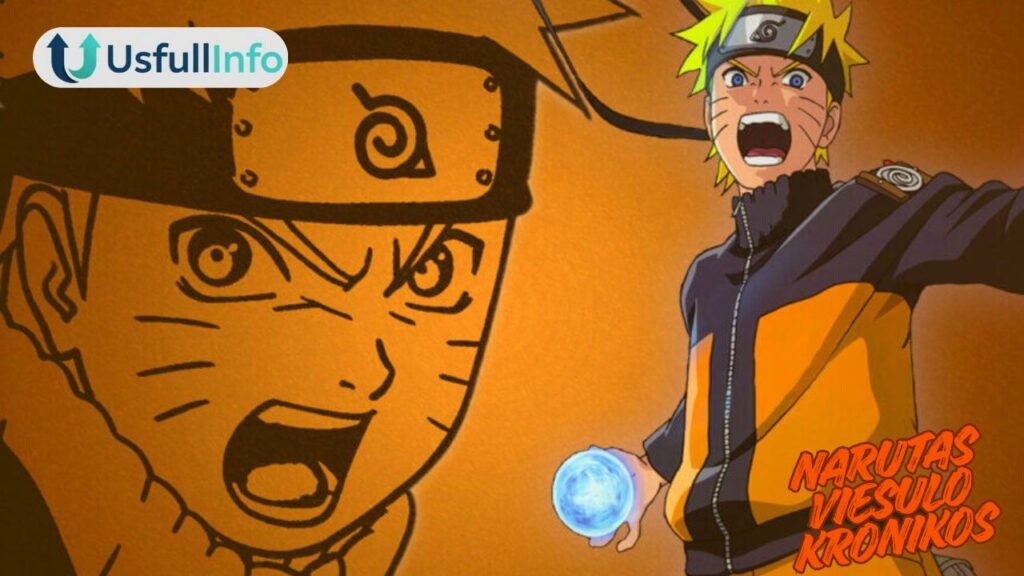
The protagonist embodies determination in its purest form. Despite years of rejection and loneliness, he maintains an infectious optimism and refuses to abandon anyone he considers a friend. His signature technique—creating multiple shadow clones of himself—reflects his personality: overwhelming obstacles through sheer persistence and creative thinking.
What makes him truly compelling is his growth throughout the series. He begins as a somewhat naive young ninja but gradually develops wisdom that matches his power. He learns that being strong isn’t just about physical abilities; it’s about understanding others, protecting those who cannot protect themselves, and finding peaceful solutions even when violence seems inevitable.
His relationship with the Nine-Tailed Fox sealed within him evolves from mutual hostility to understanding and eventually partnership. This internal journey mirrors his external quest, as he learns to accept all aspects of himself while striving to be better.
Sasuke Uchiha: The Path of Vengeance
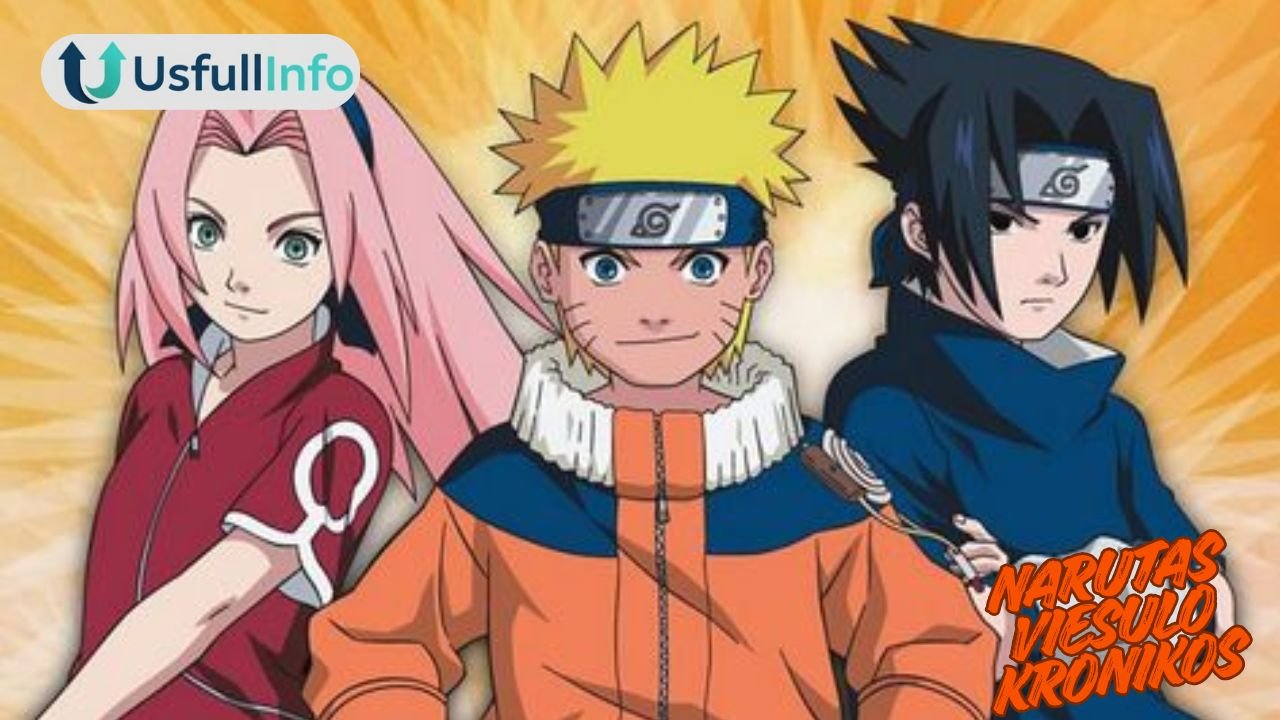
If Naruto represents hope and connection, Sasuke embodies the darker path of isolation and revenge. As the sole survivor of his clan’s massacre, he carries immense trauma that shapes every decision. His Sharingan—a powerful inherited eye technique—gives him incredible abilities but also ties him to a tragic history.
The relationship between Naruto and Sasuke forms the emotional core of the entire series. They are rivals, friends, and eventually enemies, each representing different responses to pain and loss. Sasuke’s journey takes him down a dark path as he prioritizes revenge over everything else, abandoning his friends and village in pursuit of power.
Yet even as he falls deeper into darkness, Naruto refuses to give up on him. This unwavering belief that Sasuke can be saved drives much of the plot and raises profound questions about friendship, loyalty, and whether people can truly change.
Sakura Haruno: Strength Through Determination
Initially introduced as a character defined by her crush on Sasuke, Sakura undergoes perhaps the most dramatic transformation. She evolves into a formidable ninja in her own right, mastering medical techniques under the tutelage of Tsunade, one of the legendary Sannin. Her incredible chakra control allows her to channel immense strength into her strikes while also becoming one of the finest medical ninjas of her generation.
Her journey reflects themes of self-discovery and empowerment. She moves beyond defining herself through others and develops her own identity as a capable warrior and healer. The strength she gains isn’t just physical; she develops emotional resilience and the courage to stand beside her teammates as an equal.
Kakashi Hatake: The Guiding Mentor
As the leader of Team 7, Kakashi serves as mentor, teacher, and occasionally substitute father figure to the main trio. His laid-back demeanor hides a tragic past and exceptional skills. Despite not being born into the Uchiha clan, he possesses a Sharingan—a gift from a fallen friend that symbolizes the bonds between comrades.
Kakashi’s teaching philosophy emphasizes teamwork above individual glory. His famous declaration that “those who break the rules are scum, but those who abandon their friends are worse than scum” encapsulates the series’ core values. Through his guidance, the younger generation learns that true strength comes from protecting others and working together.
The Ninja World and Its Systems
Understanding Chakra and Jutsu
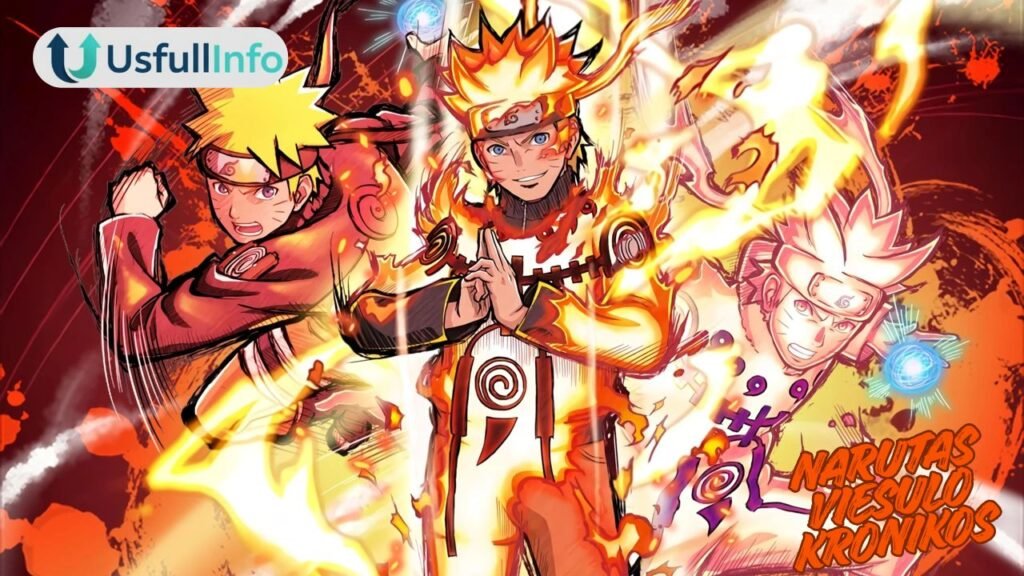
The series establishes a detailed system of powers centered on chakra—an energy produced by combining physical and spiritual energies within the body. Ninjas learn to manipulate this chakra to perform jutsu, supernatural techniques that range from simple illusions to reality-altering abilities.
Three main categories define ninja techniques. Ninjutsu encompasses most chakra-based abilities, from elemental attacks to transformation techniques. Taijutsu refers to hand-to-hand combat and physical techniques that don’t necessarily require chakra. Genjutsu involves illusions that manipulate an opponent’s perception, creating false realities or triggering psychological effects.
Mastering these techniques requires years of training and practice. The series regularly demonstrates that raw power means nothing without control, strategy, and the wisdom to know when to fight and when to seek alternatives.
Kekkei Genkai: Inherited Powers
Some families possess unique abilities passed down through bloodlines. The Sharingan of the Uchiha clan stands as the most prominent example, granting users enhanced perception, the ability to copy techniques, and eventually even more powerful abilities. Other clans possess their own unique traits, from manipulating bones to controlling insects.
These inherited abilities create both advantages and complications. While they grant incredible power, they also carry historical baggage and sometimes tragic consequences. The series explores how these powers shape family dynamics, create conflicts, and influence the broader ninja world’s politics.
The Five Great Nations
The ninja world is divided into five major nations, each with its own hidden village and unique culture. The Hidden Leaf Village serves as the primary setting, but the series explores all five nations and their complex relationships. Historical conflicts, political alliances, and old grudges shape interactions between nations, creating a rich geopolitical landscape.
Each village has its own leader—the Kage—who represents the strongest ninja in their nation. The dynamic between these leaders and their nations influences major plot developments and demonstrates how individual actions can have far-reaching consequences.
Themes That Resonate Across Cultures
The Power of Friendship and Bonds
Central to every story arc is the importance of connections between people. The series repeatedly demonstrates that isolation leads to suffering while meaningful relationships provide strength, purpose, and hope. Naruto’s journey from lonely outcast to beloved hero illustrates how accepting others and being accepted in return can transform lives.
Team 7’s dynamic showcases different types of bonds—rivalry, friendship, mentorship, and eventually something approaching family. Even antagonists often have their motivations rooted in relationships, whether seeking to protect loved ones or responding to lost connections.
Perseverance Against Impossible Odds
The protagonist’s signature philosophy—his “ninja way”—centers on never giving up regardless of circumstances. This isn’t presented as naive optimism but as a deliberate choice to keep fighting even when logic suggests surrender. Through numerous battles and setbacks, characters demonstrate that persistence and willpower can overcome seemingly insurmountable obstacles.
This theme resonated particularly strongly with younger viewers facing their own challenges. The message that determination and hard work can lead to success, even when others doubt you, provided inspiration beyond mere entertainment.
Breaking Cycles of Hatred
Perhaps the series’ most sophisticated theme involves examining how hatred and revenge perpetuate themselves across generations. Characters who seek vengeance often become the very things they fought against, creating new victims who will seek their own revenge in turn. Breaking this cycle requires understanding, forgiveness, and the courage to choose differently than those who came before.
The conflict between Naruto and various antagonists often centers not on who is physically stronger but on whose philosophy will prevail. Can understanding bridge the gaps created by past wrongs? Can forgiveness break patterns that have persisted for generations? These questions drive the narrative toward its ultimate conclusions.
The Lithuanian Adaptation Experience
Bringing Anime to Baltic Audiences
Adapting Japanese content for Lithuanian audiences required more than simple translation. Cultural references needed adjustment, character names required pronunciation considerations, and the emotional tenor of scenes had to survive the language transfer. The dubbing team faced the challenge of maintaining the series’ essence while making it accessible to viewers unfamiliar with anime conventions.
Voice actors worked to capture each character’s personality through their performances. The protagonist’s energetic enthusiasm, the rival’s cold determination, the mentor’s casual wisdom—all needed to come through clearly in Lithuanian. The quality of this localization played a crucial role in the series’ success, as poor dubbing can distance viewers from the emotional core of any story.
Building a Community Through Shared Language
Experiencing the series in their native language allowed Lithuanian viewers to engage with the content more naturally. They could focus on the story and characters without reading subtitles, making the viewing experience more immersive. This accessibility helped build a community of fans who could discuss plot developments, debate character motivations, and share their enthusiasm with friends and family.
The Lithuanian broadcast also created a shared cultural touchstone for an entire generation. Viewers could reference specific moments or quotes knowing their peers would understand, strengthening social bonds through common entertainment experiences.
Cultural Impact on Lithuanian Entertainment
Building the Anime Community
Before this series and its predecessor became popular, anime remained a niche interest in Lithuania. The mainstream success of these broadcasts changed that dynamic, introducing thousands of viewers to a medium they might never have discovered otherwise. Suddenly, Japanese animation became a legitimate form of entertainment rather than an obscure curiosity.
Fan communities formed online and offline, creating spaces where enthusiasts could share their passion. Forums buzzed with episode discussions, fan theories, and debates about character development. These communities often served as entry points for exploring other anime series, manga, and aspects of Japanese culture.
Gateway to Broader Interests
For many viewers, this series represented their first exposure to anime. That initial experience often led to exploring other titles, learning about manga, and developing interest in Japanese culture more broadly. Some fans began studying Japanese language, while others explored traditional and contemporary Japanese art, music, and literature.
The series also influenced local creative communities. Fan artists began creating their own interpretations of characters and scenes. Writers crafted fan fiction exploring alternative storylines or expanding on minor characters. Cosplayers carefully constructed costumes to bring their favorite characters to life at conventions and gatherings.
Animation Quality and Visual Storytelling
Studio Pierrot’s Artistic Achievement
The animation studio responsible for bringing this story to life employed various techniques to create memorable visual experiences. Action sequences feature dynamic camera angles and fluid choreography that make battles exciting and easy to follow. Quieter character moments use subtle expressions and body language to convey emotional nuances.
The visual style balances realistic proportions with anime’s characteristic expressiveness. Characters can shift from detailed, serious appearances during dramatic moments to simplified, exaggerated features during comedic beats. This flexibility helps maintain tonal variety throughout hundreds of episodes.
Symbolism Through Visual Design
Color choices, character designs, and environmental details all contribute to storytelling beyond dialogue. The protagonist typically wears bright orange, symbolizing his vibrant personality and desire to be noticed after years of being ignored. His rival favors darker colors, reflecting his brooding nature and distance from others.
Battle sequences often incorporate environmental symbolism. Conflicts might occur during storms, representing emotional turmoil, or in devastated landscapes, illustrating the consequences of unchecked power. These visual metaphors enhance the narrative without requiring explicit explanation.
Music That Enhanced Every Moment
Opening and Ending Themes
Each story arc featured different opening and ending themes that set the emotional tone. These songs ranged from energetic rock anthems to melancholic ballads, preparing viewers for the episodes ahead or providing reflection afterward. While Lithuanian broadcasts may have altered some musical elements, the original soundtrack’s impact on the series’ atmosphere remained significant.
The opening sequences themselves served storytelling functions, often hinting at upcoming plot developments through carefully chosen imagery. Attentive viewers could spot clues about character relationships, upcoming conflicts, or thematic elements that episodes would explore.
Background Score Excellence
The background music elevated dramatic moments and complemented action sequences without overwhelming them. Composers created themes associated with specific characters, locations, or concepts that would recur throughout the series. Hearing a particular musical motif instantly evoked associations with previous moments, adding layers of meaning to current scenes.
Emotional scenes gained additional weight through careful musical accompaniment. A character’s sacrifice, a friendship’s restoration, or a villain’s humanizing moment—all became more impactful through the right musical choices. The soundtrack worked invisibly most of the time, guiding viewer emotions without drawing attention to itself.
Why the Series Maintains Its Appeal
Timeless Storytelling
Despite being set in a fantastical ninja world, the series explores universally relatable themes. Everyone has experienced rejection, sought acceptance, struggled with difficult choices, or wondered about their purpose. The characters’ journeys mirror real human experiences despite the supernatural context, making their struggles and triumphs emotionally resonant regardless of when someone watches.
The series doesn’t talk down to its audience. It tackles complex moral questions, presents flawed characters making understandable mistakes, and avoids simple good-versus-evil dichotomies. Antagonists have comprehensible motivations even when their methods are wrong. Heroes make questionable decisions despite good intentions. This moral complexity gives the story lasting depth.
Character Development That Matters
The series dedicates substantial time to character development, allowing viewers to understand motivations, witness growth, and feel invested in outcomes. Even supporting characters receive attention that makes them feel like real people rather than plot devices. This investment pays off during major moments as viewers care deeply about what happens to these well-developed personalities.
The protagonist’s evolution from an often annoying, immature child into a wise, powerful hero occurs gradually over hundreds of episodes. Viewers witness every step of this transformation, making the journey satisfying rather than feeling sudden or unearned. Similarly, other characters undergo their own arcs that feel organic and meaningful.
Balancing Multiple Elements
The series succeeds by balancing action, comedy, drama, and philosophy. Intense battle sequences are broken up by character interactions that provide levity. Serious themes are explored without becoming preachy. The mixture prevents monotony while ensuring that different types of viewers find something appealing.
This balance also allows the series to shift tones appropriately. Lighter moments make dark developments more impactful by contrast. Comedy provides relief after emotional intensity. Action delivers excitement that story-heavy episodes build toward. Each element enhances the others rather than competing for attention.
Viewing Options and Accessibility
Original Broadcast History
When the series originally aired on BTV starting in 2013, it followed a weekly broadcast schedule that kept audiences eagerly anticipating each new episode. This release pattern created shared viewing experiences as fans watched episodes simultaneously and discussed developments in real-time. The serialized format built anticipation and allowed theories to develop between episodes.
The broadcast run continued for several years, eventually covering major story arcs that Japanese audiences had already experienced. Lithuanian viewers thus found themselves slightly behind the original release schedule but still engaged with a story that was actively developing rather than completely finished.
Modern Streaming Availability
In the years since the original broadcasts, viewing options have expanded significantly. Various streaming platforms now offer access to the complete series, allowing new viewers to discover it and longtime fans to revisit favorite moments. The availability of streaming services has introduced the series to audiences who missed the original broadcasts or weren’t the target demographic at the time.
However, finding specifically Lithuanian-dubbed versions can be more challenging than accessing the original Japanese audio or other language options. Fans seeking the exact experience they remember from television broadcasts may need to explore multiple platforms or consider physical media options.
Physical Media Collections
For collectors and enthusiasts who prefer owning media rather than relying on streaming services, DVD and Blu-ray releases provide permanent access. These physical collections often include bonus features like interviews, behind-the-scenes content, or art galleries that streaming versions might not offer.
The investment in physical media also supports the series and demonstrates ongoing fan interest, which can influence decisions about producing related content or making older titles available through new distribution channels.
The Series’ Place in Anime History
Global Phenomenon
While this guide focuses on the Lithuanian experience, the series represents a global phenomenon that transcended cultural boundaries. Millions of fans worldwide followed the story, created communities, and developed shared enthusiasm that crossed language barriers. The series’ success helped establish anime as mainstream entertainment rather than a niche interest in many countries.
The protagonist’s story inspired countless viewers across demographics and cultures. His journey from outcast to hero resonated universally, proving that well-crafted storytelling with strong characters can find audiences anywhere. The series’ international success paved the way for other anime titles to receive serious consideration from broadcasters and streaming platforms worldwide.
Influence on Later Works
The series’ success influenced how anime was produced, marketed, and distributed. Its blend of action, character development, and thematic depth set expectations for long-running series. Other creators studied its approach to pacing, character arcs, and balancing episodic content with overarching narratives.
Many anime series that followed borrowed elements or attempted to replicate the formula that made this series successful. The protagonist’s underdog story and determination became templates that later works adapted to their own contexts. Even outside anime, the series’ influence can be seen in how other media approach serialized storytelling and character development.
Continued Legacy and Fan Engagement
Active Fan Communities
Years after the original broadcasts concluded, fan communities remain active and engaged. Online forums continue hosting discussions about character motivations, plot details, and thematic interpretations. Social media groups share fan art, memes, and memories of watching the series when it first aired.
These communities serve multiple functions beyond simple nostalgia. They introduce new viewers to the series, provide spaces for creative expression, and maintain interest that can span decades. The continuing engagement demonstrates the lasting impact quality storytelling can have on audiences.
Cosplay and Creative Expression
Conventions and fan events regularly feature cosplayers dressed as characters from the series. The dedication shown in these costumes—from accurately styled wigs to hand-crafted accessories—demonstrates how deeply the series affected its audience. Cosplay allows fans to literally embody their favorite characters and connect with others who share their enthusiasm.
Beyond cosplay, fans express their appreciation through various creative mediums. Artists develop unique visual interpretations of characters and scenes. Musicians create covers of theme songs or original compositions inspired by the series. Writers craft stories exploring alternative scenarios or expanding on underdeveloped plot threads. This creative output keeps the series relevant in fan communities.
Passing the Story to New Generations
As original viewers reach adulthood and potentially become parents themselves, many introduce the series to their children. This generational transfer ensures the story continues reaching new audiences who experience it without the context of when it originally aired. These new viewers bring fresh perspectives while appreciating the same core elements that captivated the previous generation.
This multi-generational appeal speaks to the universal nature of the series’ themes and characters. Stories about friendship, perseverance, and finding one’s place in the world remain relevant regardless of when someone encounters them. The series continues finding audiences because these themes never become outdated.
Lessons That Transcend Entertainment
Real-World Applications
While set in a fantastical ninja world, the series offers lessons applicable to everyday life. The importance of perseverance when facing obstacles translates directly to personal and professional challenges. The emphasis on meaningful relationships reminds viewers to invest in connections with others. The exploration of how hatred perpetuates itself encourages breaking negative patterns in real-world conflicts.
Many viewers report that the series influenced their perspectives on friendship, determination, and personal growth. The protagonist’s refusal to give up inspired them during difficult periods. His commitment to understanding even his enemies encouraged more empathetic approaches to disagreements. The series provided not just entertainment but genuine life lessons that viewers carried beyond their viewing experiences.
Emotional Impact and Personal Connection
For many fans, the series represents more than entertainment consumed and forgotten. It became part of their identity during formative years, shaping how they thought about heroism, friendship, and personal challenges. The emotional investment in characters’ journeys created genuine feelings of triumph during victories and sadness during losses.
This emotional connection explains why the series maintains its relevance years after original broadcasts. It’s not nostalgia for the animation or action sequences—though those have their appeal—but rather memories of how the story made viewers feel and what it taught them about themselves and the world around them.
Frequently Asked Questions
Narutas Viesulo Kronikos translates to “Naruto: Chronicles of the Hurricane” in English. It’s the Lithuanian title for the globally popular anime series Naruto: Shippuden. The name perfectly captures the whirlwind of action, emotion, and adventure that defines the series, while making it accessible to Lithuanian-speaking audiences.
The series began airing on BTV (Baltic Television) in Lithuania starting in 2013. It followed the original Naruto series that had aired on LNK channel from 2008. The Lithuanian broadcast introduced an entire generation to the continuing adventures of Naruto and his friends, creating a dedicated fanbase that remains active today.
The series is generally suitable for teenagers and older audiences. While it contains ninja action and battle sequences, it focuses heavily on themes of friendship, perseverance, and personal growth. Parents should note that the series deals with mature themes like loss, revenge, and war, though violence is presented in an animated context. It’s recommended for ages 13 and up, though younger viewers may enjoy it with parental guidance.
The series is available on various streaming platforms, though finding the specific Lithuanian-dubbed version may require some searching. Popular anime streaming services often carry Naruto: Shippuden with multiple language options. Additionally, some episodes may be available through video-on-demand services or DVD/Blu-ray collections. Check local streaming platforms for Lithuanian language availability.
The series became popular in Lithuania for several reasons: the high-quality Lithuanian dubbing made it accessible to local audiences, the compelling story of an underdog becoming a hero resonated with viewers, and it aired during a time when anime was gaining mainstream acceptance in the Baltic region. The series’ themes of friendship, never giving up, and finding one’s place in the world connected deeply with Lithuanian audiences, creating a cultural phenomenon that influenced an entire generation’s entertainment preferences.
Conclusion
The journey through the ninja world that captivated Lithuanian audiences represents far more than a mere television series. It introduced countless viewers to anime, created lasting communities, and provided lessons that transcended its fantastical setting. The story of a young ninja determined to prove his worth despite constant obstacles resonated across cultural boundaries and age groups.
From its memorable characters to its exploration of complex themes, the series offered something for everyone. Whether viewers tuned in for exciting battle sequences, emotional character moments, or philosophical explorations of peace and conflict, they found content that engaged and satisfied. The quality of the Lithuanian adaptation made these experiences accessible to audiences who might never have discovered anime otherwise.
Years after the original broadcasts, the series maintains its cultural relevance. New viewers continue discovering it while original fans revisit favorite moments and share their appreciation with others. The active communities, ongoing creative expressions, and multi-generational appeal demonstrate that truly impactful storytelling never loses its power.
For those who experienced the series during its original run, it remains a cherished memory of gathering around televisions to follow each new episode. For newer viewers exploring it through streaming services, it offers the same compelling narrative and character development that captivated previous audiences. The story’s universality ensures it will continue finding audiences for years to come, inspiring new generations with its message of perseverance, friendship, and never giving up on one’s dreams.